Wasps & Hornets
Vespidae
How do you get rid of wasps and hornets in a Southern California home?
Start by not disturbing the nest yourself, since social species like Yellow Jackets and Paper Wasps aggressively defend their nests and can sting repeatedly. Seal trash cans, clear fallen fruit, and patch gaps in eaves and soffits to cut off food and nesting sites. Because nests are often hidden in eaves, attics, or underground, a licensed technician with protective gear and high-reach tools should safely remove them and apply a residual treatment to deter rebuilding.
What are Wasps & Hornets?
In Southern California, social wasps like Yellow Jackets and Paper Wasps build nests in eaves, attics, and underground. While they help control other garden pests, their aggressive defense of their nests makes them a danger in residential areas.
Key Takeaways
- Wasps and hornets have slender, narrow-waisted bodies with yellow-and-black or reddish-brown markings, and they build papery nests from chewed wood fibers in eaves, attics, and underground.
- In Southern California they are drawn to properties offering both shelter and food, with overhanging eaves and hollow spaces for nesting and fallen fruit, sugary drinks, and open trash for foragers.
- Unlike bees, social wasps have smooth stingers and can sting multiple times, making them a real danger to anyone with a sting allergy.
- Warning signs include steady wasp traffic to one spot on the house, a visible paper nest, or workers gathering around outdoor food and drinks.
- The core control principle is exclusion and source removal paired with safe professional nest removal, since disturbing an active nest provokes aggressive defense.
- Wasps tend to rebuild at favorable sites, so a residual treatment and ongoing service help keep nests from returning to the same eaves or voids.
Identification & Signs
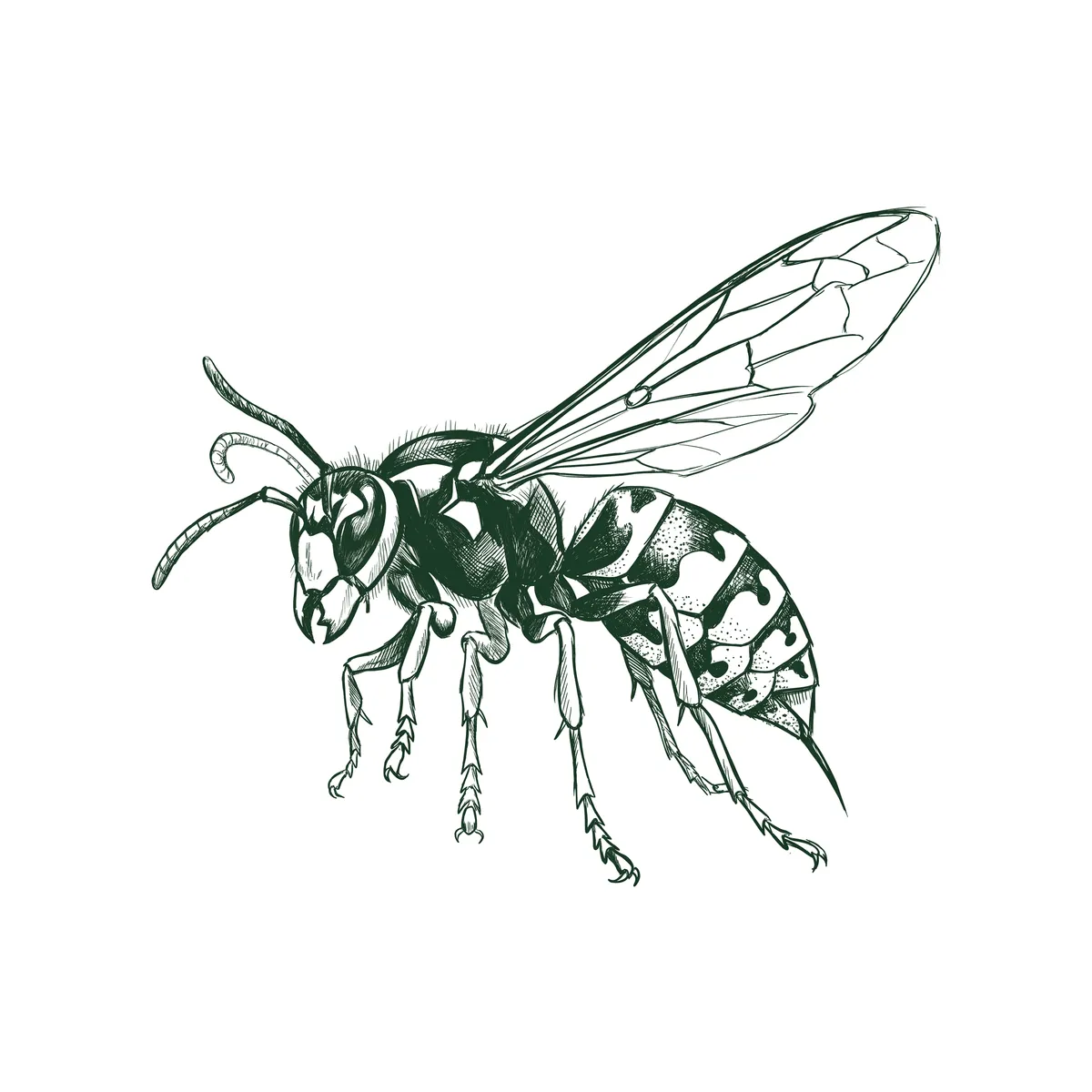
- Slender bodies with a narrow waist
- Bright yellow and black or reddish-brown markings
- Two pairs of wings and smooth stingers (can sting multiple times)
- Paper-like nests made of chewed wood fibers
Why are they a problem?
Wasps are drawn to properties that offer both nesting sites and food. Overhanging eaves, birdhouses, and hollow trees are ideal for nests, while fallen fruit and sugary drinks attract foragers.
Prevention and Home Tips
Keep outdoor trash cans tightly sealed
Repair holes in soffits and eaves
Remove fallen fruit from under trees
Avoid leaving sweet foods or drinks outdoors
How Xtermicon Treats for Wasps & Hornets
Removing a wasp nest can be dangerous. Our technicians are equipped with specialized protective gear and high-reach tools to safely neutralize nests and apply a residual treatment to prevent future building at the same site.
Frequently Asked Questions
How dangerous are wasp and hornet stings?
Social wasps like Yellow Jackets and Paper Wasps aggressively defend their nests and, because their stingers are smooth rather than barbed, a single wasp can sting multiple times. For most people a sting is painful but not serious. The real danger is to anyone with a sting allergy, where stings can trigger a severe reaction. Disturbing a hidden nest in an eave or the ground can also provoke many wasps at once, so nests near doorways or high-traffic areas should be treated as a priority.
How can I tell if I have a wasp nest on my property?
Look for a steady stream of wasps flying to and from one spot, which usually points to a nest nearby. Nests are made of papery, chewed wood fibers and are commonly tucked under eaves, inside attics and wall voids, or built underground, so they are not always visible. You may also notice wasps gathering around trash cans, fallen fruit, or sugary food and drinks outdoors as foragers search for food. If you see repeated traffic to eaves, soffits, or a ground hole, assume a nest is present.
Should I remove a wasp nest myself or call a professional?
Removing a wasp nest can be dangerous and is best left to a professional. Knocking down or spraying an active nest often provokes the colony into defending it, and wasps can sting repeatedly. Nests hidden in eaves, attics, or underground are especially risky to reach. A licensed technician uses specialized protective gear and high-reach tools to safely neutralize the nest, then applies a residual treatment to discourage wasps from rebuilding at the same site. For recurring problems, ongoing service helps keep favorable spots from being reused.
Insights about Wasps & Hornets
Specialists you
can count on.
Xtermicon was founded in 2015 with one focus: protect Southern California homes and businesses from the pests that threaten them. The name says it all — eXterminate TERmites & pest CONtrol — and that's exactly what we do. We're a family-owned team specializing in termite control, pest control, and rodent exclusion. From West LA and East LA to the beach cities and Orange County, we're local neighbors who treat your property like our own.