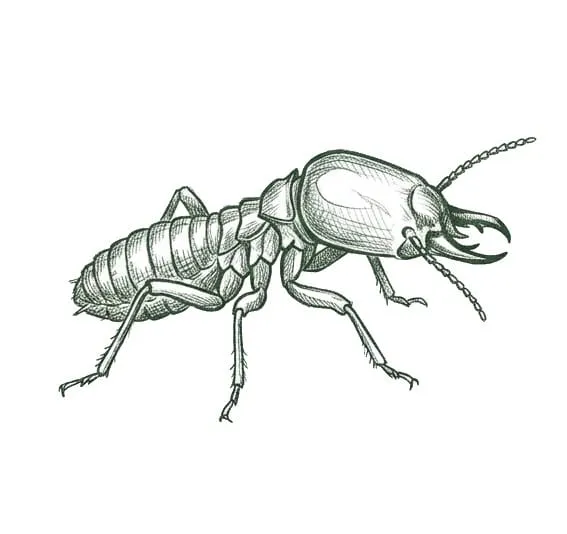
Subterranean Termite
Reticulitermes
How do you get rid of subterranean termites in a Southern California home?
Subterranean termites live in the soil and travel up mud tubes, so DIY rarely reaches the colony. Break off visible mud tubes on the foundation, remove wood-to-soil contact, and fix moisture problems like over-watered beds and leaking gutters near the structure. Lasting control requires a licensed technician to install a continuous liquid soil barrier or baiting system that intercepts foragers and eliminates the colony beneath your home.
What are Subterranean Termite?
Subterranean termites need moisture and live in the soil. They build protective mud tubes on foundations and crawl spaces to stay hydrated as they forage for wood inside your home. Their colonies can be massive and cause rapid damage.
Key Takeaways
- Subterranean termites (Reticulitermes) nest in the soil and build pencil-width mud tubes up foundations and crawl spaces to reach wood while staying hydrated.
- In Southern California, the biggest risk factors are moisture and wood-to-soil contact, such as over-watered planter beds against the foundation, leaking gutters, and wood siding touching the ground.
- Warning signs include mud tubes from ground to wood, large numbers of shed wings after a swarm, hollow wood that follows the grain and contains soil, and moisture spots or buckled paint on drywall.
- Because the colony is large and lives underground, surface sprays do not solve the problem; control depends on treating the soil with a continuous liquid barrier or a baiting system.
- These are considered the most destructive termite species and can cause rapid structural damage, so early inspection and ongoing monitoring matter.
- Lasting protection comes from a professionally installed barrier or bait program plus recurring monitoring, not a single one-time treatment.
Identification & Signs
- Mud tubes leading from ground to wood
- Large numbers of shed wings (swarming)
- Damaged wood follows the grain and contains soil
- Moisture spots on drywall or buckled paint
Why are they a problem?
They are attracted to any wood that has direct contact with the soil or moisture issues around the foundation.
Prevention and Home Tips
Maintain a 6-inch gap between soil and any wood siding
Avoid over-watering plants right against the foundation
Ensure all wood-to-ground contact is removed
Keep gutters clean and directed away from the house
How Xtermicon Treats for Subterranean Termite
Subterranean termites require a "Below-Ground" strategy that addresses the massive colonies living in the soil around your foundation. Our treatment protocol focuses on establishing a continuous liquid soil barrier or a strategically placed baiting system that intercept termites before they can reach your home. This barrier treatment uses non-repellent products that termites unawarely carry back to the nest, delivering it directly to the heart of the colony for total elimination. For active mud tubes on the structure, we perform targeted applications to stop immediate feeding. This comprehensive approach addresses both the termites currently inside and the much larger threat living beneath the surface, providing a lasting shield for your property's foundation.
Frequently Asked Questions
What are the signs of subterranean termites in a house?
The clearest sign is mud tubes, pencil-width tunnels of soil running up foundations, piers, or crawl-space walls that termites use to reach wood. You may also see large numbers of shed wings near windows after a swarm, hollow-sounding wood that follows the grain and contains packed soil, and moisture spots or buckled paint on drywall. Because the colony lives underground, visible signs often appear only after feeding is well established, which is why an inspection matters.
How much damage can subterranean termites do, and how fast?
Subterranean termites are considered the most destructive termite species because their colonies can be massive and forage continuously for wood inside a structure. They damage framing, subfloors, and structural beams from the inside out, often following the grain and leaving soil in the galleries. The pace depends on colony size and moisture, but unchecked feeding can cause significant structural damage over time, so early detection and treatment are far less costly than waiting.
Can I treat subterranean termites myself, or do I need a professional?
You can reduce risk yourself by knocking down mud tubes, removing wood-to-soil contact, and correcting moisture problems near the foundation, but these steps do not reach the colony living in the soil. Effective control requires a licensed technician to install a continuous liquid soil barrier or a baiting system using non-repellent products that termites carry back to the nest. This colony-level approach, paired with ongoing monitoring, is what delivers lasting protection.
Insights about Subterranean Termite
Specialists you
can count on.
Xtermicon was founded in 2015 with one focus: protect Southern California homes and businesses from the pests that threaten them. The name says it all — eXterminate TERmites & pest CONtrol — and that's exactly what we do. We're a family-owned team specializing in termite control, pest control, and rodent exclusion. From West LA and East LA to the beach cities and Orange County, we're local neighbors who treat your property like our own.