West Nile Virus Is Spreading Faster in LA County Than It Has in 20 Years — What That Means for Your Yard
County health officials are describing the worst early season since 2004. Here is what the numbers actually say, which mosquito is responsible, and the handful of things that genuinely reduce your risk.
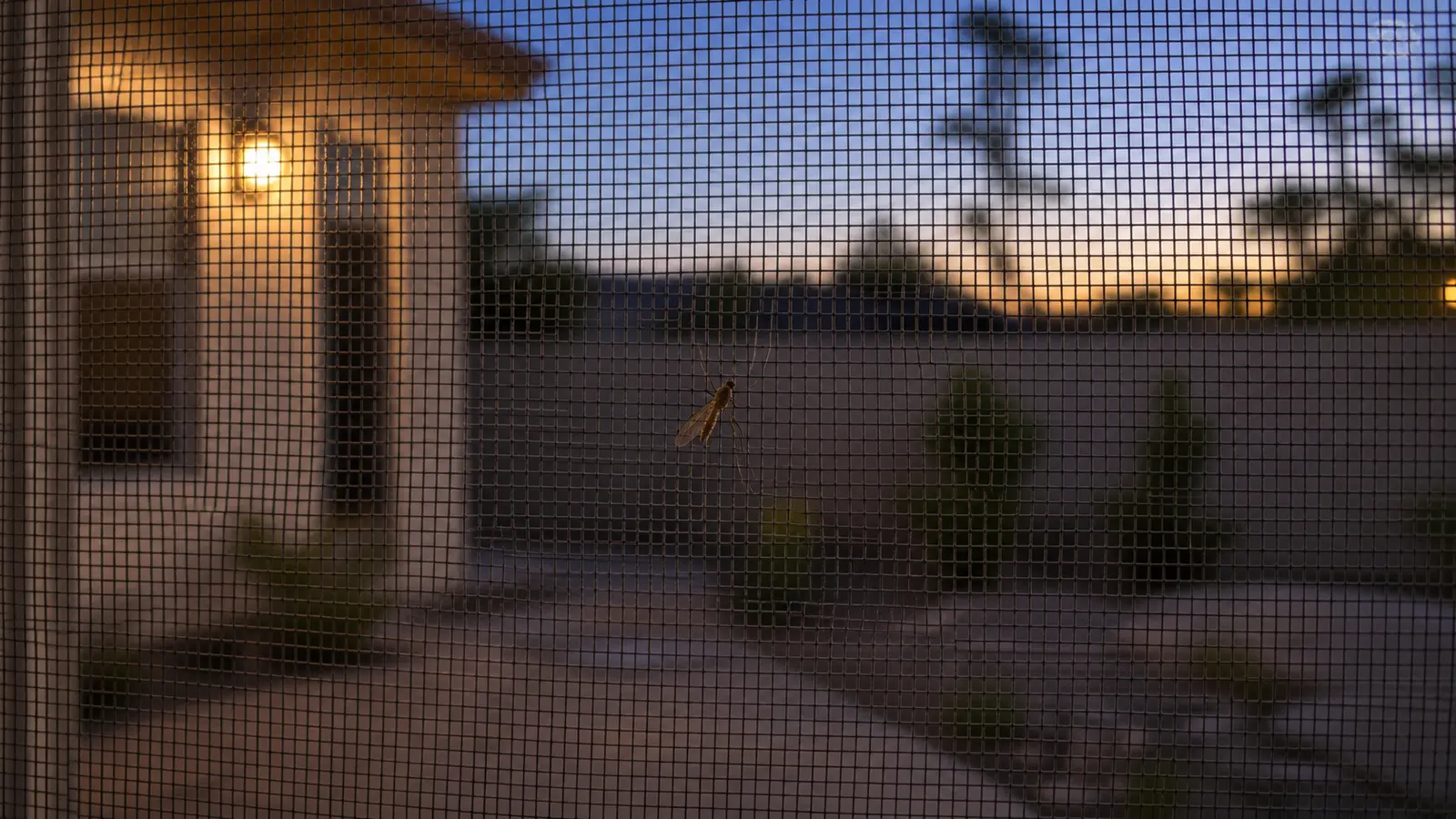
Most seasons, West Nile virus is a background item in Los Angeles County — present, monitored, rarely making the news. This year is different enough that county health officials have said so directly, describing the strongest early-season activity in roughly two decades. If you have seen the coverage and want to know what it actually means for your household rather than in the abstract, the short version is that the risk is real, it is meaningfully higher than a typical year, and the things that reduce it are unglamorous and almost entirely within your control.
How bad is West Nile virus in Los Angeles County this year?
Substantially worse than normal for this point in the season. Los Angeles County public health and the Greater Los Angeles County Vector Control District have reported 38 mosquito samples testing positive for West Nile virus so far this season, against a five-year average of about 4 for the same period — roughly nine times the usual level, which officials have characterized as the worst early start since 2004. The county recorded its first hospitalized human case in July, an Antelope Valley resident with West Nile encephalitis, and Ventura County separately confirmed its first positive mosquito sample of the year in Fillmore. Most people who are infected never develop symptoms, but the elevated activity makes basic precautions worth taking seriously this year.
The Short Version
- LA County has confirmed 38 West Nile-positive mosquito samples this season against a five-year average near 4 — described by officials as the worst early start since 2004.
- The first hospitalized human case of the season was reported in July, an Antelope Valley resident with West Nile encephalitis. Ventura County confirmed its first positive sample in Fillmore.
- The carrier is the Culex mosquito, which bites around dawn and dusk. This is a different insect from the daytime-biting Aedes ankle-biters most people have been dealing with.
- The virus circulates between birds and mosquitoes. People are incidental hosts — you cannot catch it from another person or from a bird directly.
- Roughly four in five infected people never develop symptoms. Severe neurological illness is uncommon but is concentrated in adults over 50 and people with chronic conditions.
- Standing water is the lever that matters. A container the size of a bottle cap can produce mosquitoes; weekly dumping does more than anything you can spray.
What Is Actually Being Reported
Vector control districts track West Nile by trapping mosquitoes and testing them in batches — a "positive mosquito sample" means a tested batch from a given trap location came back carrying the virus. It is an imperfect but genuinely useful early-warning measure, because mosquito activity precedes human cases by weeks.
This season, Los Angeles County has confirmed 38 such positive samples. The five-year average for the equivalent point in the season is about 4. That is not a modest uptick — it is close to a ninefold increase, and it is why the language coming from public health officials has been unusually direct, with the season characterized as the most active early start since 2004.
On the human side, the county reported its first hospitalized case in July: an Antelope Valley resident who developed West Nile encephalitis, the serious neurological form of the illness. Separately, Ventura County confirmed its first positive mosquito sample of the year, in Fillmore. Taken together these indicate the virus is circulating actively across a wide area rather than in one pocket.
Confirmed in LA County this season, per county public health and vector control reporting.
The typical count for the same point in the season — this year is running roughly nine times higher.
Officials describe this as the most active early season in about twenty years.
One honest caveat on interpreting any of this: surveillance intensity varies, and a higher count partly reflects where and how much testing happens. But a ninefold gap against the same district's own five-year baseline is too large to explain away as a measurement artifact, and the agencies producing the number are the ones flagging it as unusual.
This Is Not the Mosquito You Have Been Swatting
This is the part most coverage skips, and it changes what you should actually do. The mosquito that transmits West Nile in Southern California is not the same one that has been the dominant nuisance here for the past several years.
Most of the recent complaints across Los Angeles have been about invasive Aedes mosquitoes — the small, black-and-white striped "ankle biters" that bite in broad daylight, go for the lower legs, and breed in tiny containers. Those are a genuine problem and we have written about them separately. They are not the primary West Nile vector here.
West Nile is carried principally by Culex mosquitoes, which behave differently in ways that matter practically. They are most active around dawn and dusk rather than midday. They are drawn to standing water that has had time to go stagnant and organic — neglected pools, unused fountains, catch basins, buckets left through a season, water in a corrugated drain line — rather than the fresh, clean container water Aedes prefers. And they are less conspicuous biters, so a Culex-heavy yard does not necessarily feel worse than an Aedes-heavy one.
The practical translation: if your mosquito precautions have been aimed at daytime biting, they are aimed at the wrong window for this particular risk. The higher-risk hours for West Nile are early morning and the period around sunset.
How the virus actually circulates
West Nile is maintained in a cycle between birds and mosquitoes. A mosquito feeds on an infected bird, the virus replicates, and that mosquito can then transmit it when it feeds again. Birds are the reservoir; mosquitoes are the bridge.
People and horses are what epidemiologists call dead-end hosts — we can be infected and become ill, but we do not develop enough virus in the blood to infect a mosquito that bites us afterward. That has one reassuring consequence worth stating plainly: West Nile does not spread person to person through ordinary contact, and you cannot get it from handling a bird, from a pet, or from someone who has it. The only realistic route is the bite of an infected mosquito.
What to Watch For, and When to Call a Doctor
The overwhelming majority of West Nile infections are unremarkable. Roughly four out of five people who are infected develop no symptoms whatsoever and never know it happened.
Most of the remainder develop what is usually called West Nile fever: fever, headache, body aches, tiredness, sometimes a rash on the trunk or swollen lymph nodes, and occasionally nausea or vomiting. It generally resolves on its own, though the fatigue can linger for weeks, which people find surprising.
A small fraction develop severe neuroinvasive disease — meningitis, encephalitis, or an acute flaccid paralysis — which is the category the county's July hospitalization fell into. The symptoms that distinguish it are the ones worth memorising: high fever with a severe headache, a stiff neck, confusion or disorientation, tremors or muscle weakness, vision changes, seizures, or sudden difficulty with balance. Those warrant prompt medical attention rather than waiting it out.
Risk of the severe form is not evenly distributed. It concentrates in adults over about 50, and in people with conditions like diabetes, hypertension, cancer, or kidney disease, and in anyone immunocompromised. If that describes you or someone in your household, the precautions below are worth more effort than they might otherwise seem to deserve. There is no vaccine for humans and no specific antiviral treatment, which is exactly why prevention carries the weight here.
This is general information, not medical advice
We are a pest control company, not a medical provider. Anything above is a summary of publicly reported guidance to help you know what to look for. If you or someone in your household develops a high fever with severe headache, neck stiffness, confusion, or weakness, contact a physician or seek care — do not use this page as a diagnostic reference.
The Prevention That Actually Moves the Needle
Three categories, in order of how much they matter.
Eliminate standing water weekly
This is the highest-leverage thing available to you, by a wide margin. Mosquitoes need standing water to complete their life cycle, and the volume required is trivial — a bottle cap is genuinely enough. Once a week, walk the property and tip out anything holding water: plant saucers, buckets, tarps, toys, wheelbarrows, pet bowls, tires, trash can lids, the tray under a potted plant. Scrub plant saucers and birdbaths rather than only emptying them, since eggs adhere to the sides. Clear roof gutters. Check the corrugated drain pipe behind a planter, which is a chronically overlooked one. Report a neglected swimming pool or a green pool nearby to your local vector control district — they take those seriously and it is a far bigger producer than anything in your yard.
Keep them out of the house
Repair or replace torn window and door screens, make sure screens actually sit tight in their frames, and confirm doors close fully. This is cheap, permanent, and does the work every night without any further attention.
Protect yourself during dawn and dusk
Use an EPA-registered insect repellent when you are outside during the higher-risk hours, following the label directions. Long sleeves and long pants at dawn and dusk are meaningful during a season like this one. If you have an outdoor evening routine, a garden, a dog walk, or a patio habit, that is the window worth adjusting.
Where professional service fits, honestly
We offer mosquito control, so it is worth being precise about what it does and does not do — particularly on a page about a disease.
Our program uses insect growth regulator trap systems, which work by turning egg-laying behavior against the population: females deposit eggs in treated water where the larvae cannot mature, and the traps are refreshed on recurring visits. Combined with source reduction — finding and eliminating breeding sites on the property — that reduces the mosquito population around a yard over time. Most households pair it with a monthly general pest plan, since the traps need regular servicing to keep working.
What it does not do is prevent West Nile virus or eliminate your risk of contracting it. Population reduction is not disease prevention. Mosquitoes fly in from off your property, no yard treatment produces a sterile bubble, and a single infected mosquito is all transmission requires. The things that actually protect you from the disease are the personal precautions above — repellent, screens, standing water, and adjusting exposure at dawn and dusk. We would rather say that plainly than let a service page imply protection it cannot deliver.
Mosquito pressure in your yard?
If your property is producing mosquitoes and you want help finding and cutting the sources, that is work we do — survey the property, show you what we find, and set out IGR trap systems for the water that cannot be removed. Xtermicon serves the South Bay, Westside, and greater Los Angeles. Call (310) 370-0963 for a quote, over the phone, with no obligation. For questions about the virus itself, your county public health department and vector control district are the right sources.
West Nile Virus FAQs
What Los Angeles residents are asking this season.
What are my actual odds of getting sick from West Nile?
Low for any individual, even in an elevated season. Most people bitten by mosquitoes in an area with West Nile circulating are never infected, and of those who are, roughly four in five develop no symptoms at all. Severe neuroinvasive illness affects a small fraction of infections. What the current numbers change is the amount of virus circulating in the mosquito population, which raises the baseline for everyone — and that matters most for adults over 50 and people with chronic health conditions, who carry the bulk of the severe-illness risk.
Which mosquito carries West Nile, and how do I know if I have them?
Culex mosquitoes are the main vector here, and the most reliable clue is timing rather than appearance. Culex are active around dawn and dusk and are relatively unassuming brown mosquitoes, while the invasive Aedes ankle-biters that have dominated complaints in recent years are black-and-white striped, bite in daylight, and go for the ankles. If your bites are happening in the evening while you water the garden, that is the Culex window. Most Southern California yards have both.
Can my dog or cat get West Nile, or give it to me?
Dogs and cats can be infected but very rarely develop illness from it, and neither can transmit it to you. Horses are the animal genuinely worth worrying about — they can develop serious neurological disease, and unlike people, there is an effective equine vaccine, so horse owners in affected areas should talk to their veterinarian. For household pets, the practical concern is the standing water in their bowls, which is a breeding site worth refreshing every few days.
Does spraying my yard protect my family from West Nile?
No, and we would rather be straightforward about that than sell you otherwise. Yard treatment can reduce the mosquito population on a property, which reduces bites, but it does not create a protected zone — mosquitoes fly in from neighboring properties and public spaces, and one infected mosquito is enough for transmission. Treat population reduction as comfort and nuisance management. Disease protection comes from repellent, intact screens, eliminating standing water, and limiting exposure at dawn and dusk.
My neighbor has a green pool. Does that matter?
Considerably, yes. A neglected or abandoned swimming pool is one of the most productive Culex breeding sites that exists in an urban area, capable of generating vastly more mosquitoes than every container in a normal yard combined. Vector control districts treat these as a priority and will typically inspect and treat a reported pool, often without needing the owner's cooperation. Reporting one to your local district is genuinely among the most effective single actions available to a resident.
When does mosquito season end in Southern California?
It thins out but does not really close. West Nile activity typically peaks from late summer into early fall, so September and October are usually the highest-risk stretch of the year, and this season started unusually early. Because the climate here is mild and largely frost-free, mosquito activity continues at a lower level through the winter rather than stopping outright — which is also why standing-water discipline is worth keeping up year-round rather than treating as a summer chore.
Related Reading
The other mosquito problem in Southern California, and the service side of this.
- Ankle-biter mosquitoes are taking over Southern CaliforniaThe daytime-biting invasive Aedes — a different mosquito, a different problem from this one.
- Our mosquito control serviceIGR trap systems and source reduction, and what the program actually covers.
- Mosquitoes: species profileIdentification, life cycle, and breeding conditions.
- Flea-borne typhus in Los AngelesAnother vector-borne illness with a local outbreak — same category of risk, different carrier.
- A pest-free patio in Southern CaliforniaOutdoor-living fixes, including the standing water people miss.
- Residential pest controlRecurring plans, which is how mosquito trap servicing is usually scheduled.
Sydney Pardey is the owner of Xtermicon, a family-owned pest control company serving the South Bay and greater Los Angeles area since 2015. All content is written from direct operational experience and reviewed against current California Structural Pest Control Board standards.
Specialists you
can count on.
Xtermicon was founded in 2015 with one focus: protect Southern California homes and businesses from the pests that threaten them. The name says it all — eXterminate TERmites & pest CONtrol — and that's exactly what we do. We're a family-owned team specializing in termite control, pest control, and rodent exclusion. From West LA and East LA to the beach cities and Orange County, we're local neighbors who treat your property like our own.