Thief Ants
Solenopsis molesta
How do you get rid of thief ants in a Southern California home?
Start by removing what draws them: wipe down greasy stoves and counters, store pet food and opened oils in sealed containers, and seal even hairline cracks around the foundation and cabinets. Because thief ants are so tiny and nest hidden in wall voids, surface sprays rarely reach the colony. A licensed technician uses protein-based baits and precision void treatments to eliminate the source, with recurring service to confirm the problem is resolved.
What are Thief Ants?
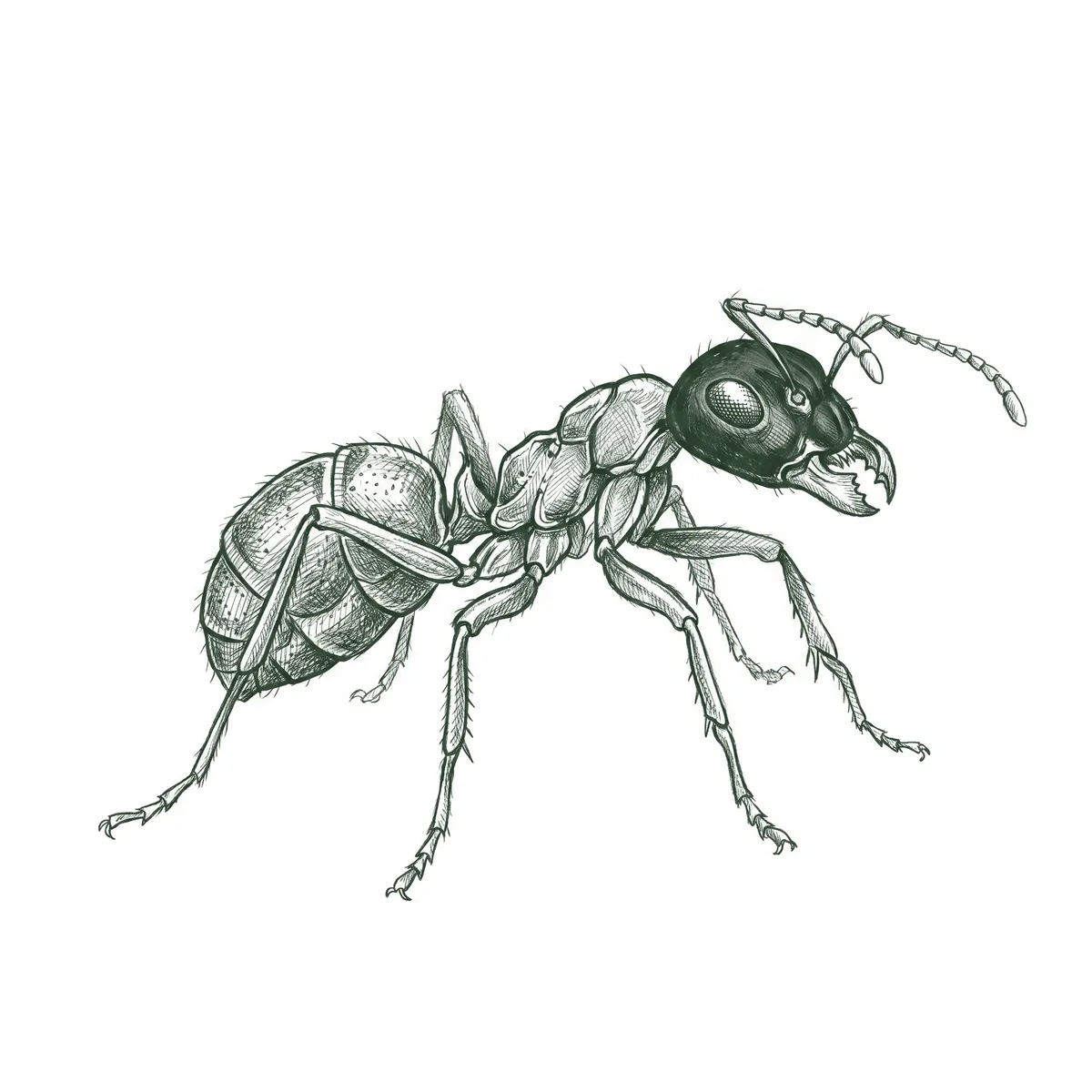
Thief ants are tiny and can easily go unnoticed. They often nest in wall voids or under floors and are particularly attracted to greasy or high-protein foods rather than sweets.
Key Takeaways
- Thief ants are among the smallest ants you will see indoors (1/32 to 1/16 inch), pale yellow to bronze, and easy to overlook until a trail forms.
- Unlike most household ants, they prefer greasy, high-protein foods over sweets, which leads them straight into Southern California kitchens, pantries, and pet-food areas.
- Their tiny size lets them slip through cracks other ants cannot and even get into sealed food packages, so seeing a few often means a hidden nest in a wall void or under the floor.
- They are a nuisance pest, not a medical threat: thief ants do not sting people or damage structures, but they can contaminate food they reach.
- Lasting control targets the colony itself with protein baits and void treatments rather than killing visible workers, since spraying the trail only pushes activity to a new spot.
Identification & Signs
- Extremely small (1/32 to 1/16 inch)
- Pale yellow to bronze color
- Very small eyes and 10-segmented antennae
- Attracted to oils, fats, and proteins
Why are they a problem?
They enter homes looking for protein and grease. Because of their size, they can easily find their way into sealed food packages.
Prevention and Home Tips
Keep greasy surfaces and stoves clean
Store high-protein pet food in sealed bins
Wipe down oil bottles before storing
Seal even the smallest cracks around the foundation
How Xtermicon Treats for Thief Ants
Thief ants are among the smallest ant species you're likely to encounter, and their size is a big part of what makes them so difficult to control. They get their name from their habit of nesting near other ant colonies and stealing their food and larvae — and that same stealthy behavior carries over into how they move through a home, slipping through tiny cracks and gaps that other species can't access. Thief ants have a strong preference for greasy, protein-rich foods, which often leads them into kitchens and pantries where they can be hard to trace back to a source. Because they are so small and have specific food preferences, we use specialized protein-based baits and precision void treatments to eliminate thief ant infestations. Recurring service helps monitor activity and ensure the infestation is fully resolved rather than simply pushed from one area to another.
Frequently Asked Questions
How do I know if the tiny ants in my kitchen are thief ants?
Thief ants are unusually small, about 1/32 to 1/16 inch, and pale yellow to bronze rather than dark brown or black. A useful clue is their diet: most kitchen ants chase sweets, but thief ants head for grease, oils, and protein, so you will often find them near the stove, pet food, or meat scraps. Because of their size they can look like moving specks, and trails frequently lead back into a wall void or under flooring.
Are thief ants dangerous or do they bite?
Thief ants are a nuisance pest, not a medical danger. They do not sting people the way fire ants do, they are not venomous, and they cause no structural damage to your home. The real concern is food contamination: because they are small enough to enter sealed packages and forage on grease and protein, they can get into pantry items and pet food. For most Southern California homeowners the problem is sanitation and persistence, not health risk.
Why do I keep seeing thief ants even after I clean and spray?
Their nest is usually hidden in a wall void or under the floor, often near another ant colony whose food they raid, so the workers you see are only a fraction of the colony. Wiping surfaces removes the trail scent temporarily, and over-the-counter sprays kill foragers without reaching the queen, which can actually split the colony and spread activity. Lasting results come from protein-based baits the workers carry back to the nest, applied by a licensed technician and monitored through recurring service.
Insights about Thief Ants
Specialists you
can count on.
Xtermicon was founded in 2015 with one focus: protect Southern California homes and businesses from the pests that threaten them. The name says it all — eXterminate TERmites & pest CONtrol — and that's exactly what we do. We're a family-owned team specializing in termite control, pest control, and rodent exclusion. From West LA and East LA to the beach cities and Orange County, we're local neighbors who treat your property like our own.