Pavement Ants
Tetramorium caespitum
How do you get rid of pavement ants in a Southern California home?
Start by wiping up grease and sweets, storing food in sealed containers, and sealing the foundation and plumbing cracks they follow indoors. Avoid spraying the trails you see, since that only scatters workers without reaching the colony. Because pavement ant colonies are large and often have multiple queens, lasting control usually needs a licensed technician to treat the foundation and pavement cracks where they nest and place targeted baits to eliminate the colony at its source.
What are Pavement Ants?
Pavement ants are best known for the small mounds of sand or soil they push up through cracks in concrete. Inside, they often follow pipes through the foundation to reach food sources in kitchens and bathrooms.
Key Takeaways
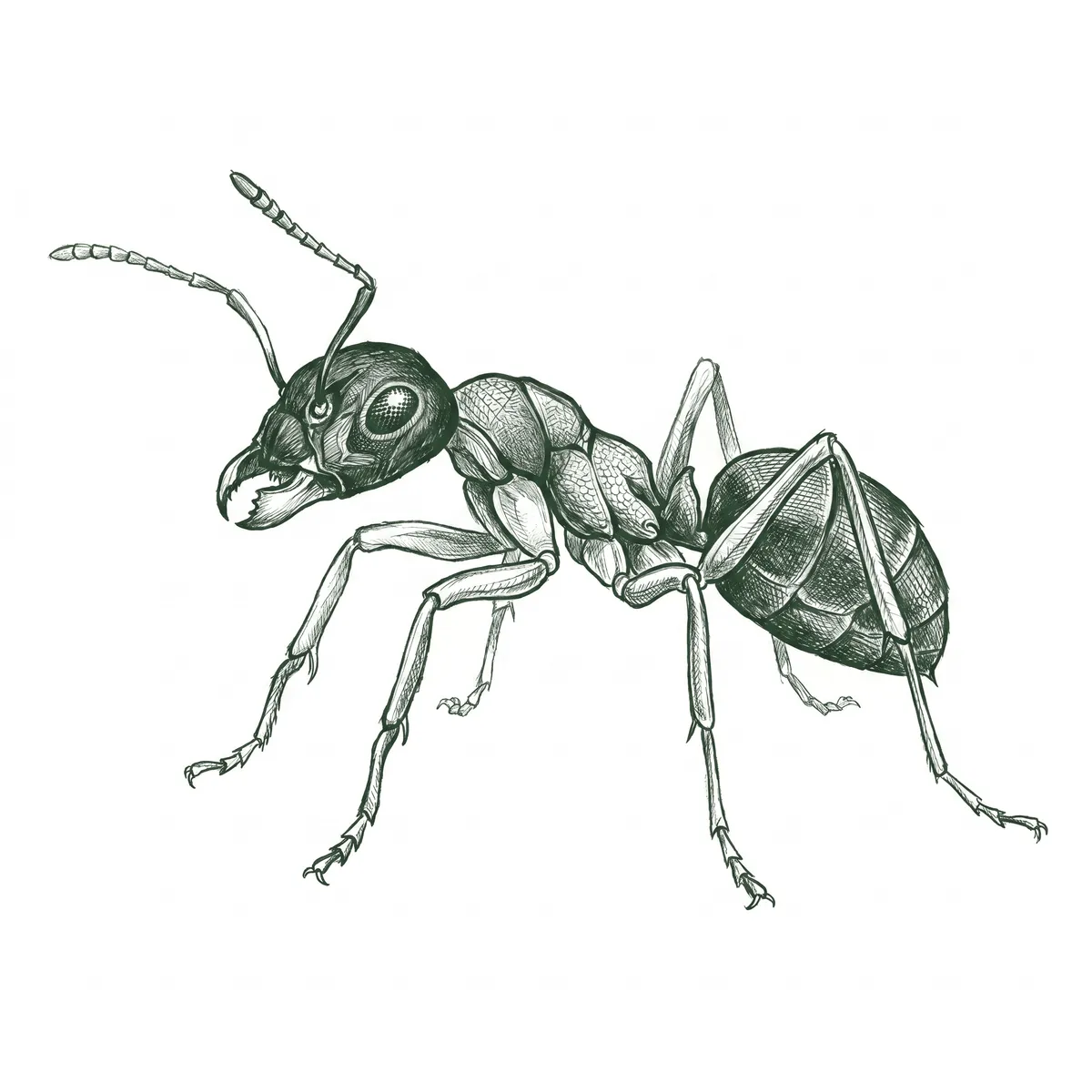
- Pavement ants are small (about 1/8 inch), dark brown to black ants with faint parallel ridges on the head and thorax and tiny spines on the back.
- In Southern California they nest under sidewalks, driveways, and foundation slabs, and heavy rain often drives them indoors as they follow pipes into kitchens and bathrooms.
- The classic sign is small mounds of sand or soil pushed up through cracks in concrete, plus trails of ants along baseboards and counters chasing grease, seeds, and sweets.
- They are a nuisance pest, not a structural or medical threat — they do not damage wood and only rarely bite, with no significant venom.
- Their colonies grow large with multiple queens, so the core control principle is treating the nest at its source with baits rather than spraying visible trails.
Identification & Signs
- Dark brown to black color
- Small size (1/8 inch)
- Parallel ridges or lines on the head and thorax
- Small spines on the back of the thorax
Why are they a problem?
They are attracted to moisture and a wide variety of foods, including grease, seeds, and sweets. Heavy rain often drives them from their under-concrete nests into homes.
Prevention and Home Tips
Seal cracks in the foundation and around plumbing
Repair cracks in driveways and sidewalks near the house
Keep mulch layers away from the foundation
Ensure proper drainage around the perimeter
How Xtermicon Treats for Pavement Ants
Pavement ants are one of the most common ant species found around homes and businesses, typically nesting in the cracks and joints of driveways, sidewalks, and foundation slabs. While they tend to stay close to the ground, they will forage indoors in search of food — particularly sweets and grease — and can become a persistent nuisance inside kitchens and along baseboards. Their colonies can grow quite large over time, with multiple queens and thousands of workers, making early treatment the most effective approach. We treat the cracks and crevices of the foundation and pavement where they nest, and use targeted baits to eliminate any workers that have made it inside. This two-pronged approach addresses the colony at its source while also intercepting interior activity, helping to keep pavement ants out of your home for the long term.
Frequently Asked Questions
What are the small piles of sand on my driveway and sidewalk cracks?
Those little mounds of sand or loose soil pushed up through cracks in concrete are the calling card of pavement ants. As they excavate their nests beneath driveways, sidewalks, and foundation slabs, they push the displaced dirt to the surface along the seams. If you also see trails of small dark ants moving along the cracks or into the house, especially after rain, pavement ants are almost certainly nesting under the slab nearby.
Do pavement ants bite or cause any damage to my house?
Pavement ants are primarily a nuisance, not a danger. They can bite or sting if their nest is disturbed, but it is mild and rarely noticed, and they carry no significant venom. They do not damage wood or structures the way termites do, and they do not transmit disease. The real problem is contamination and sheer numbers — large colonies sending steady trails of foragers across kitchen counters and into pantries and pet food.
How did pavement ants get into my kitchen, and will they keep coming back?
Pavement ants nest outdoors under concrete but follow pipes and utility lines through the foundation to reach food indoors, often appearing in kitchens and bathrooms after heavy rain pushes them out of saturated soil. They are drawn to grease, sweets, and moisture. Because their colonies are large with multiple queens, foragers keep returning until the nest itself is treated — which is why sealing entry points and baiting the colony, often through recurring service, gives the most lasting relief.
Insights about Pavement Ants
Specialists you
can count on.
Xtermicon was founded in 2015 with one focus: protect Southern California homes and businesses from the pests that threaten them. The name says it all — eXterminate TERmites & pest CONtrol — and that's exactly what we do. We're a family-owned team specializing in termite control, pest control, and rodent exclusion. From West LA and East LA to the beach cities and Orange County, we're local neighbors who treat your property like our own.