Odorous House Ants
Tapinoma sessile
How do you get rid of odorous house ants in a Southern California home?
Remove what draws them in: wipe up sugary spills right away, store food in airtight containers, fix leaky window and door frames, and keep gutters clear and directed away from the house. Avoid crushing trails or spraying contact killers, which only scatter the colony. Because these ants have multiple queens and shift nest sites, a licensed technician using residual barriers and baits, plus recurring service, is usually needed for lasting control.
What are Odorous House Ants?
Odorous house ants are common domestic pests. They move their nests frequently, often in response to rain or changes in temperature. They are highly attracted to sweets and will trail in Large numbers to find food.
Key Takeaways
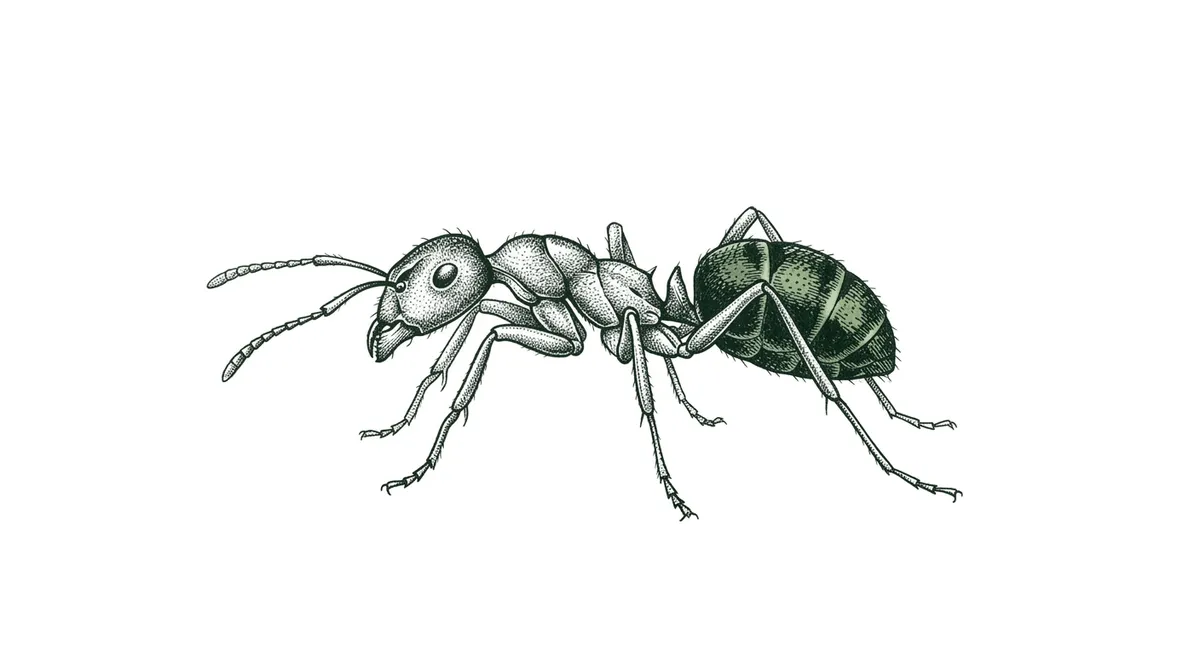
- Odorous house ants are small, dark brown to black ants (1/16 to 1/8 inch) that give off a distinct rotten-coconut smell when crushed.
- In Southern California they are strongly drawn to sweets and are often pushed indoors by heavy rain or extreme drought, frequently relocating their nests in response to weather.
- The clearest warning sign is steady trails of ants following structural lines like baseboards and countertops, leading to and from a food source.
- They do not sting, do not spread disease, and do not damage your home's structure, so they are primarily a persistent nuisance rather than a health or safety threat.
- Because colonies have multiple queens and shift nesting sites under floors, in walls, and beneath outdoor mulch, control depends on baiting the colony rather than killing visible workers, plus ongoing monitoring.
Identification & Signs
- Small, dark brown to black color (1/16 to 1/8 inch)
- Node on the waist is hidden by the abdomen
- Distinctive "rotten coconut" smell when crushed
- Trails follow structural lines like baseboards
Why are they a problem?
They enter homes in search of food, especially sweets, and are often driven indoors by heavy rain or extreme drought.
Prevention and Home Tips
Clean up sugary spills and honey drips immediately
Fix leaky windows and door frames
Store food in airtight containers
Keep gutters clean and directed away from the house
How Xtermicon Treats for Odorous House Ants
Odorous house ants get their name from the distinct smell they release when crushed, but they're better known among pest professionals for being persistently difficult to control. These ants nest in a wide variety of locations — under floors, inside walls, beneath mulch and debris outside — and their colonies are constantly shifting, which makes them a moving target. Our treatment involves identifying these shifting nesting sites and applying long-lasting residual barriers and baits to intercept and eliminate the colony. Because odorous house ants forage in trails and can have multiple queens spread across several nesting sites, a combination of approaches is typically needed to achieve full control. Recurring service helps ensure that any new activity is caught early and addressed before it has a chance to reestablish inside the home.
Frequently Asked Questions
Are odorous house ants dangerous or harmful to my home?
No. Odorous house ants do not sting or bite in any meaningful way, they are not known to transmit disease, and they do not chew through wood or cause structural damage the way termites or carpenter ants can. The main problem is contamination and nuisance: they trail across counters and into food in large numbers, drawn to anything sweet. The worst they offer is the unpleasant rotten-coconut odor released when they are crushed.
Why do I suddenly have so many odorous house ants in my kitchen?
These ants forage in trails and recruit nestmates quickly once a worker finds food, so a single sugary spill or open container can bring large numbers indoors fast. In Southern California, heavy rain or extreme drought often drives them inside from outdoor nests, and they readily relocate to areas near reliable food and moisture. Kitchens offer both, which is why trails commonly appear along baseboards and counters leading to sweets.
Why do odorous house ants keep coming back after I spray them?
Spraying or crushing the ants you see usually makes the problem worse. Odorous house ant colonies have multiple queens spread across several shifting nest sites under floors, in walls, and beneath outdoor mulch, so killing visible workers leaves the colony intact and can cause it to split and scatter. Lasting control comes from baits the workers carry back to the queens, combined with residual barriers and recurring service that catches new activity early.
Insights about Odorous House Ants
Specialists you
can count on.
Xtermicon was founded in 2015 with one focus: protect Southern California homes and businesses from the pests that threaten them. The name says it all — eXterminate TERmites & pest CONtrol — and that's exactly what we do. We're a family-owned team specializing in termite control, pest control, and rodent exclusion. From West LA and East LA to the beach cities and Orange County, we're local neighbors who treat your property like our own.