Desert Recluse
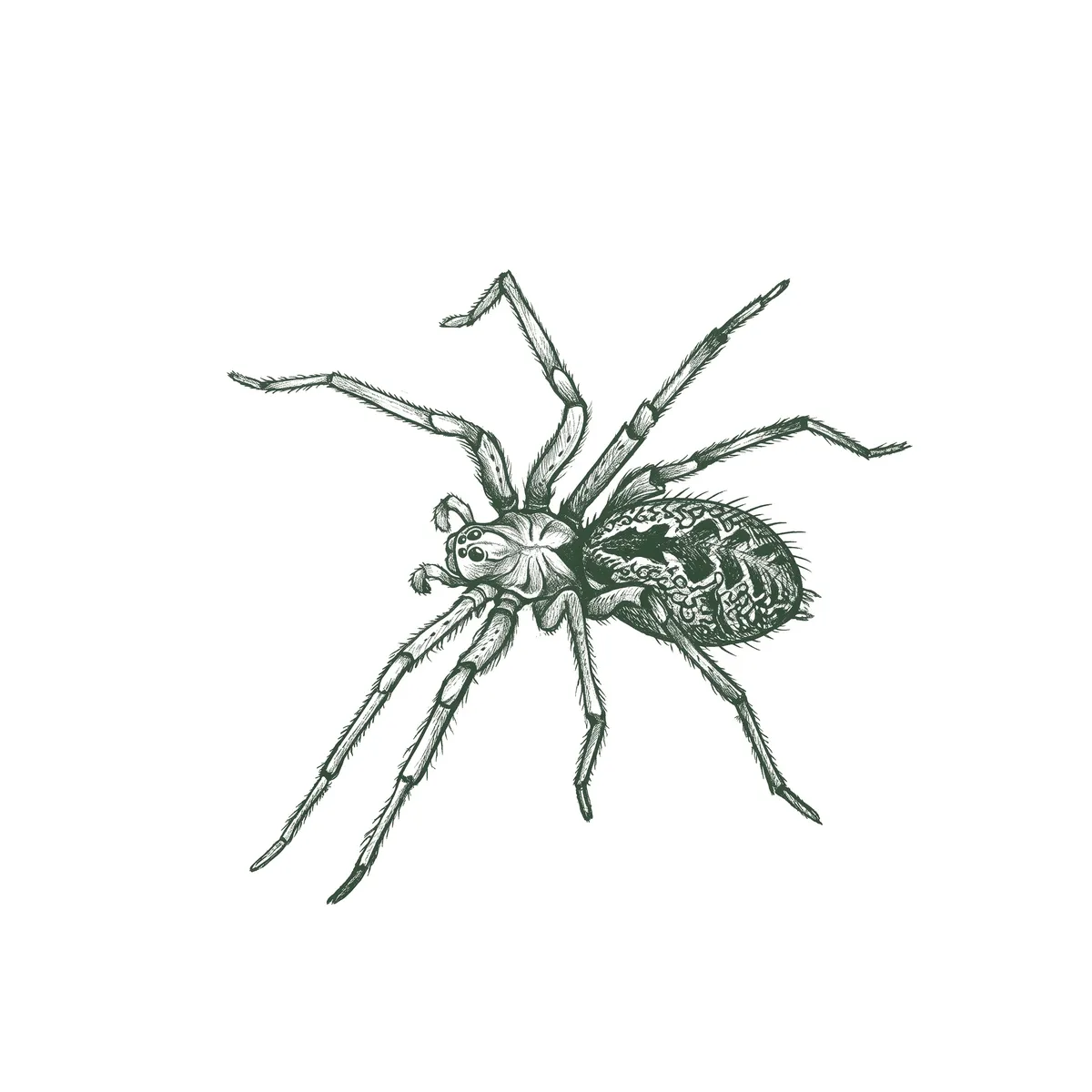
Loxosceles deserta
How do you get rid of desert recluse spiders in a Southern California home?
Start by reducing the dark, undisturbed harborage they hide in: clear clutter from garages and sheds, move woodpiles and debris away from the house, seal gaps into storage areas, and place glue traps in corners to monitor activity. Shake out stored shoes and clothing before use. Because desert recluses are venomous and stay deep in voids, a licensed technician should inspect harborage zones and apply targeted treatments for reliable, lasting control.
What are Desert Recluse?
The desert recluse is a relative of the brown recluse. While rare in coastal South Bay, they are found in more desert-like inland areas. Their bite can cause necrotic wounds and requires immediate medical attention.
Key Takeaways
- The desert recluse is a tan to light brown spider with a faint violin-shaped mark and three pairs of eyes, unlike the four pairs most spiders have.
- It is genuinely venomous and a relative of the brown recluse, so it is one of the few Southern California spiders that warrants real caution.
- It is largely an inland, arid-area spider and is rare in coastal South Bay neighborhoods, favoring dry desert-like environments.
- These spiders hide in dark, dry, undisturbed places like woodpiles, sheds, garages, and the spaces behind long-stored boxes or clothing.
- Bites are uncommon because the spider is shy, but a bite can cause a slow-healing necrotic wound and should be evaluated by a medical professional.
- Lasting control depends on reducing clutter and harborage plus targeted treatment of hiding zones, not on spotting and squashing individual spiders.
Identification & Signs
- Uniformly tan to light brown body
- Faint violin-shaped mark on the cephalothorax
- Three pairs of eyes (unlike most spiders with four)
- Legs are free of thick spines or hairs
Why are they a problem?
They are reclusive and stay in dark, dry, undisturbed areas like woodpiles, under rocks, or behind stored items in sheds.
Prevention and Home Tips
Keep firewood and debris away from the house
Shake out stored clothing and shoes
Seal all entries into garages and storage sheds
Use glue traps in dark corners to monitor activity
How Xtermicon Treats for Desert Recluse
Treating for reclusive spiders like the desert recluse requires a highly specialized approach that focuses on deep-harborage zones where these spiders hide during the day. Our technicians conduct a detailed inspection of undisturbed areas — such as woodpiles, cluttered sheds, and storage rooms — to identify potential nesting sites. We use a combination of precision dust applications in wall voids and long-lasting residual barriers in dark corners to ensure every potential hiding spot is addressed. Because these spiders are so reclusive, monitoring is a critical part of our protocol; we use professional-grade monitors to track activity over time and ensure that the treatment has been successful in creating a recluse-free environment.
Frequently Asked Questions
How can I tell a desert recluse from a harmless house spider?
A desert recluse has a uniformly tan to light brown body, a faint violin-shaped marking on the cephalothorax, and three pairs of eyes rather than the four pairs most spiders have. Its legs are smooth, without thick spines or hairs. Many spiders are mistaken for recluses, so identification matters. If you find one in an inland, arid part of Southern California and are unsure, a licensed technician can confirm it during an inspection.
Are desert recluse bites dangerous, and what should I do if I am bitten?
Yes, the desert recluse is venomous, and its bite can cause a necrotic wound that heals slowly. That said, these spiders are shy and bites are uncommon, usually happening when one is pressed against skin in stored clothing or bedding. We do not give medical advice, but a suspected recluse bite should be seen by a medical professional promptly. To lower the risk, shake out shoes and clothing that have been stored and reduce clutter where the spiders hide.
Why do I have desert recluse spiders, and how did they get inside?
Desert recluses are drawn to dark, dry, undisturbed spaces, which is why they turn up in woodpiles, sheds, garages, and behind boxes or stored items that have not been moved in a while. In Southern California they are mainly an inland, arid-area spider. They tend to settle in clutter and harborage rather than wandering, so reducing storage piles, sealing entries into garages and sheds, and keeping firewood away from the house removes the conditions they rely on.
Insights about Desert Recluse
Specialists you
can count on.
Xtermicon was founded in 2015 with one focus: protect Southern California homes and businesses from the pests that threaten them. The name says it all — eXterminate TERmites & pest CONtrol — and that's exactly what we do. We're a family-owned team specializing in termite control, pest control, and rodent exclusion. From West LA and East LA to the beach cities and Orange County, we're local neighbors who treat your property like our own.