Fleas Aren't Just From Wildlife: A Prevention Guide for SoCal Pet Owners
Southern California never gets cold enough to break the flea life cycle, and roughly 95% of an infestation is not on your pet at all. Here is why treating the animal alone keeps failing, and what actually ends it.
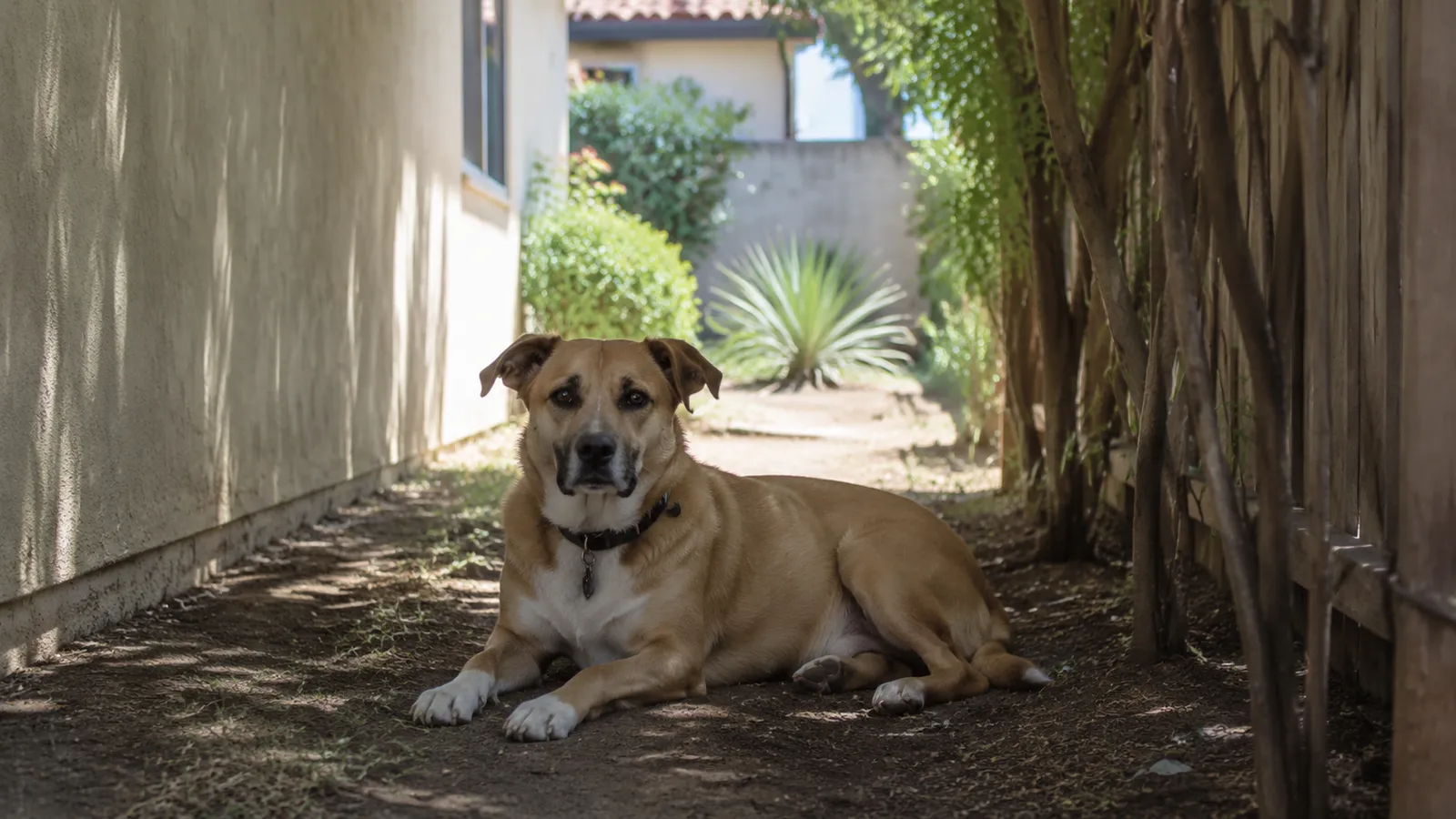
The pattern is always the same. The dog gets treated. The house gets vacuumed and sprayed. Everything is fine for about ten days, and then the fleas are back — and because the pet is on a product that is supposedly working, the natural conclusion is that the product failed. It usually did not. What happened is that the fleas you were dealing with were never really on the pet in the first place, and the ones you killed were replaced from a reservoir you never treated.
Why do fleas keep coming back even though my pet is on flea medication?
Because only a small fraction of a flea population lives on the animal. Roughly 95% of an infestation is eggs, larvae, and pupae developing in carpet fibers, floor cracks, pet bedding, and shaded outdoor soil — not adults on your pet. Veterinary products handle the adults that bite your animal, which is essential, but they do nothing about the immature stages already in the environment. Pupae in particular sit inside protective cocoons that resist insecticide and can wait weeks before emerging. Until the environment is dealt with, a fresh wave hatches every week or two, and in Southern California there is no winter cold to interrupt the cycle.
The Short Version
- Southern California has no hard freeze, so fleas are a year-round risk here rather than a summer one — the cycle never resets.
- About 95% of a flea infestation is eggs, larvae, and pupae in the environment. Only the remaining fraction is adults on the pet.
- Eggs do not stay on the animal. They fall off wherever the pet goes, which makes bedding, carpet edges, and shaded yard soil the real reservoir.
- Treating the pet alone fails when the yard keeps reinfesting it. Treating the house alone fails when the pet keeps reseeding it. Both have to happen together.
- Pupae resist insecticide inside their cocoons, which is exactly why one treatment is never enough and multiple visits are built into the job.
- Wildlife matters, but it is not the whole story — an untreated yard sustains a flea population perfectly well on its own.
Southern California Never Gets a Winter Reset
In most of the country, fleas are a seasonal problem with a natural endpoint. Sustained freezing temperatures kill the exposed immature stages outdoors, populations collapse, and the following spring starts from a much lower baseline. Homeowners there get a genuine off-season.
We do not. Coastal and inland Southern California rarely sees the kind of prolonged cold that breaks the cycle outdoors, and the shaded, irrigated parts of a typical yard hold moderate temperature and humidity essentially year-round. The result is that a flea population here does not reset — it just runs faster in the warm months and slower in the cool ones. A problem you half-solved in June is still there in January, waiting.
That has one very practical implication. Year-round veterinary flea control is not an upsell in this climate; it is what the climate requires. Seasonal treatment makes sense where there is a season.
The 95% You Are Not Treating
Here is the part that reframes the whole problem. When you see a flea on your dog, you are looking at a small visible fraction of what is present. The overwhelming majority of the population is in stages you will never notice.
Eggs, larvae, and pupae developing in carpet, cracks, bedding, and shaded soil make up the great majority of any infestation.
The cocoon stage resists insecticide and can hold until vibration and warmth signal that a host is nearby.
No hard freeze means no natural collapse in the population between seasons.
The life cycle explains why. An adult flea feeds on the animal and lays eggs there, but the eggs are smooth and do not stay put — they fall off wherever the pet walks, sleeps, and lies down. That distributes the next generation across exactly the places your pet spends time: the bed, the sofa, the rug by the back door, the strip of cool dirt under the porch. The eggs hatch into larvae that avoid light and burrow down into carpet fibers, floorboard gaps, and soil, feeding on organic debris. Then they spin cocoons and become pupae, and the pupae wait.
That waiting stage is the whole reason flea control is difficult. The cocoon is sticky and shielded, insecticide does not readily penetrate it, and the pupa inside can hold for weeks until vibration, warmth, and carbon dioxide tell it a host has arrived. This is why a house that sat empty during a vacation produces a wave of fleas the day the family returns, and why a single treatment reliably gets followed by more fleas a week or two later.
The Reservoir Outside — and Yes, Wildlife Too
The indoor half of this is fairly well understood. The yard half is where most SoCal cases actually stall out.
Flea larvae need shade, moisture, and organic material. Full sun and dry ground kill them, so the untreated yard is never uniformly infested — the population concentrates in specific, predictable places, and those are usually the same places the dog chooses to lie down in on a hot afternoon.
Shaded soil against the house
The cool north-side strip, the dirt under a deck or porch, the gap behind the shed. Prime larval habitat and a favorite resting spot in one.
Under dense shrubs and ground cover
Ivy, thick planting beds, and anything that holds shade and moisture at ground level.
Pet resting areas and runs
Wherever the animal habitually lies, indoors or out. This is where egg deposition concentrates, so it is where larvae concentrate.
Crawl spaces and subareas
Dark, sheltered, humid, and often accessible to animals other than yours. Frequently the piece that gets missed entirely.
Leaf litter and unmaintained corners
The organic debris larvae feed on, in the shade they need.
Wildlife genuinely does contribute here. Opossums, rats, and outdoor and stray cats move through yards at night, and they drop fleas as they go — a crawl space with an accessible vent or a yard with an unsecured food source will be visited. Southern California also has an ongoing public health story attached to that traffic, which we have covered separately and will not repeat here. But the framing that fleas are strictly a wildlife problem lets a lot of homeowners off the hook incorrectly. An untreated yard sustains a flea population perfectly well on its own, and the most common reinfestation loop we see is simply a treated dog lying down every afternoon in the one shaded strip of dirt nobody thought to treat.
Why Both Halves Have to Happen at Once
Almost every failed flea job we get called into is one of two shapes, and both are half-measures.
The first is treating the pet and nothing else. The vet product works — it kills fleas that bite the animal — but the animal walks back out to a yard that is producing new adults continuously, so it is under constant reinfestation pressure and it never looks solved.
The second is treating the house and yard while the pets go untreated, or treating only one of the household's pets. A treated environment with an untreated animal moving through it gets reseeded immediately. We would rather say this plainly than treat a house twice: if you have pets, veterinary flea control is doing more work in this equation than we are, and a treatment without it is a temporary result every time. Your vet is the right person to advise on which product, and that conversation should happen alongside the pest control work rather than after it.
What homeowners can do themselves
Vacuum daily, and keep doing it for two to three weeks
This is the single most underrated step. The vibration triggers pupae to emerge onto treated surfaces where they are vulnerable, and the vacuum physically removes eggs and larvae. Focus on carpet edges, under furniture, and along baseboards. Empty it outside each time.
Wash all pet bedding hot, and anything soft the pet sleeps on
Including throw blankets and the cover of the dog bed, not just the top layer. Repeat weekly through the treatment period.
Open up the shaded reservoirs
Cut back dense ground cover against the house, clear leaf litter, and let light and air into the perennially damp strips. Larvae cannot survive sun and dryness.
Close off crawl spaces and subareas
Screen or repair vents so opossums, rats, and stray cats are not denning under the structure and reseeding the yard.
Stop feeding wildlife, deliberately or otherwise
Secure trash, bring pet food in, and clear fallen fruit. The animals carrying fleas into a yard are usually there for something specific.
Get every pet on year-round vet-recommended control
Every animal in the household, not just the one that is scratching. This is the piece that has to be in place for any of the rest to hold.
When Professional Treatment Is Worth It
Plenty of flea situations resolve with vet products, disciplined vacuuming, and some yard cleanup. It is worth being honest about where that stops working.
Bring in pest control when the population is established rather than incidental — you are seeing fleas on the carpet and not just on the animal, people are getting bitten around the ankles, or you have been fighting it for more than a few weeks without progress. Also call when a rental or a newly purchased home came with an existing infestation, when there is a crawl space or subarea involved, or when the yard has an obvious reservoir you cannot get at.
What professional treatment adds is an insect growth regulator alongside the adulticide, which is what actually breaks the cycle. The adulticide handles what is biting now; the growth regulator stops eggs and larvae from developing into the next generation. Both go where fleas actually are — carpet edges, baseboards, pet resting areas, and the shaded outdoor soil — rather than broadcast across surfaces.
Plan on more than one visit
This is the expectation to set at the start, because it is a feature of flea biology and not a sign that anything went wrong. Pupae inside their cocoons survive the first treatment and keep emerging for weeks afterward. That is why flea work is structured as multiple visits timed to the life cycle, and why you may still see fleas in the days after the first one. Anyone promising a single-visit fix on an established infestation either does not know the life cycle or is not telling you about the follow-up.
Fighting the same fleas since spring?
If you have treated the pet, treated the house, and the fleas keep coming back, the yard is usually the piece that has been left out. Xtermicon has worked across the South Bay, the Beach Cities, and greater Los Angeles since 2015. Call (310) 370-0963 and we will walk the property, find the reservoir, and tell you honestly what is ours to fix and what belongs with your vet.
Flea Prevention FAQs
What pet owners in Southern California ask us most. For anything medical or veterinary, please talk to your vet.
Do I need year-round flea prevention in Southern California, or just in summer?
Year-round, and the climate is the reason. Flea control is seasonal in places with a hard freeze that kills the immature stages outdoors and collapses the population each winter. We do not get that. A shaded, irrigated Southern California yard holds workable temperature and humidity for larvae essentially all year, so the population slows in cool months but never resets. Every county health department in the region gives the same guidance for exactly this reason. Your vet is the right person to advise on which product.
My pet never goes outside. How did we get fleas?
Several routes, and none of them require your pet to leave. Fleas ride in on shoes and clothing, they come in with another animal visiting the house, and they move in from wildlife denning in a crawl space, an attic, or under a deck. An indoor cat in a home with an accessible subarea can absolutely end up with fleas. It is also worth checking whether a previous occupant left an infestation behind — pupae can wait weeks for a host, so an empty house is not a clean one.
Is it enough to treat the yard, or does the inside need treating too?
It depends on where the population actually is, which is what an inspection sorts out. If fleas are being picked up outdoors and the pet is treated, exterior work may be most of the job. Once you are seeing fleas on carpet or people are being bitten indoors, the interior is established and needs treating as well — the eggs have been falling off the animal inside the house for a while by then. Treating only one half is the most common reason a flea job fails.
How long does it take to get rid of fleas?
Expect weeks rather than days, and expect to still see some fleas after the first treatment. The pupal stage is the bottleneck: cocoons resist insecticide and keep releasing adults for weeks after the environment is treated. Those emerging adults contact treated surfaces and die, but you will see them in the meantime. Daily vacuuming shortens this considerably by triggering emergence early. A realistic arc is noticeable improvement within the first week or two and resolution over several weeks, with follow-up visits timed to the cycle.
Are flea treatments safe around my pets and kids?
Applications are placed with children and pets in mind, and your technician walks through precautions before starting. The general rule is to be out of the treated area until it dries, which runs about three hours for both interior and exterior work. Fish tanks get covered and pumps turned off, and pets should be out during application. The one thing worth stressing: never combine a pest control product with an additional flea product on the animal without asking your vet first. Pet treatment is their call, not ours.
Can pest control get rid of the opossums or stray cats bringing fleas in?
No — wildlife trapping and stray animal handling are animal control and licensed wildlife operators, not structural pest control. For the animal itself, contact your city or county animal control. What we do handle is the part that stops the cycle repeating: treating the flea population they left behind, identifying how they are getting under or into the structure, sealing that access, and flagging what on the property is drawing them in.
Related Reading
More on fleas, the animals that carry them, and the yard conditions behind both.
- Flea-borne typhus in Los AngelesThe public-health side of the same wildlife traffic — record county case counts and what they mean.
- Our flea & tick control serviceGrowth regulators that break the life cycle, indoors and out, coordinated with your vet.
- Flea pest libraryIdentification, life cycle, and behavior at a glance.
- Landscaping habits that invite pestsThe shade, moisture, and ground cover that make a yard hospitable to larvae.
- Our rodent control serviceExclusion-first work that keeps the animals reseeding your yard out of the structure.
- Pest control in Long BeachServing Long Beach and the surrounding area since 2015.
Sydney Pardey is the owner of Xtermicon, a family-owned pest control company serving the South Bay and greater Los Angeles area since 2015. All content is written from direct operational experience and reviewed against current California Structural Pest Control Board standards.
Specialists you
can count on.
Xtermicon was founded in 2015 with one focus: protect Southern California homes and businesses from the pests that threaten them. The name says it all — eXterminate TERmites & pest CONtrol — and that's exactly what we do. We're a family-owned team specializing in termite control, pest control, and rodent exclusion. From West LA and East LA to the beach cities and Orange County, we're local neighbors who treat your property like our own.