Norway Rat
Rattus norvegicus
How do you get rid of Norway rats in a Southern California home?
Norway rats nest at ground level, so control starts low: seal foundation gaps, vents, and crawl-space openings larger than a dime with steel mesh and hardware cloth, secure trash bins with tight lids, and stop leaving pet food out overnight. Clear damp harborage under porches and woodpiles. Because these burrowers re-invade and breed quickly, a licensed technician then sets secured trapping systems and monitors over time to remove the population for good.
What are Norway Rat?
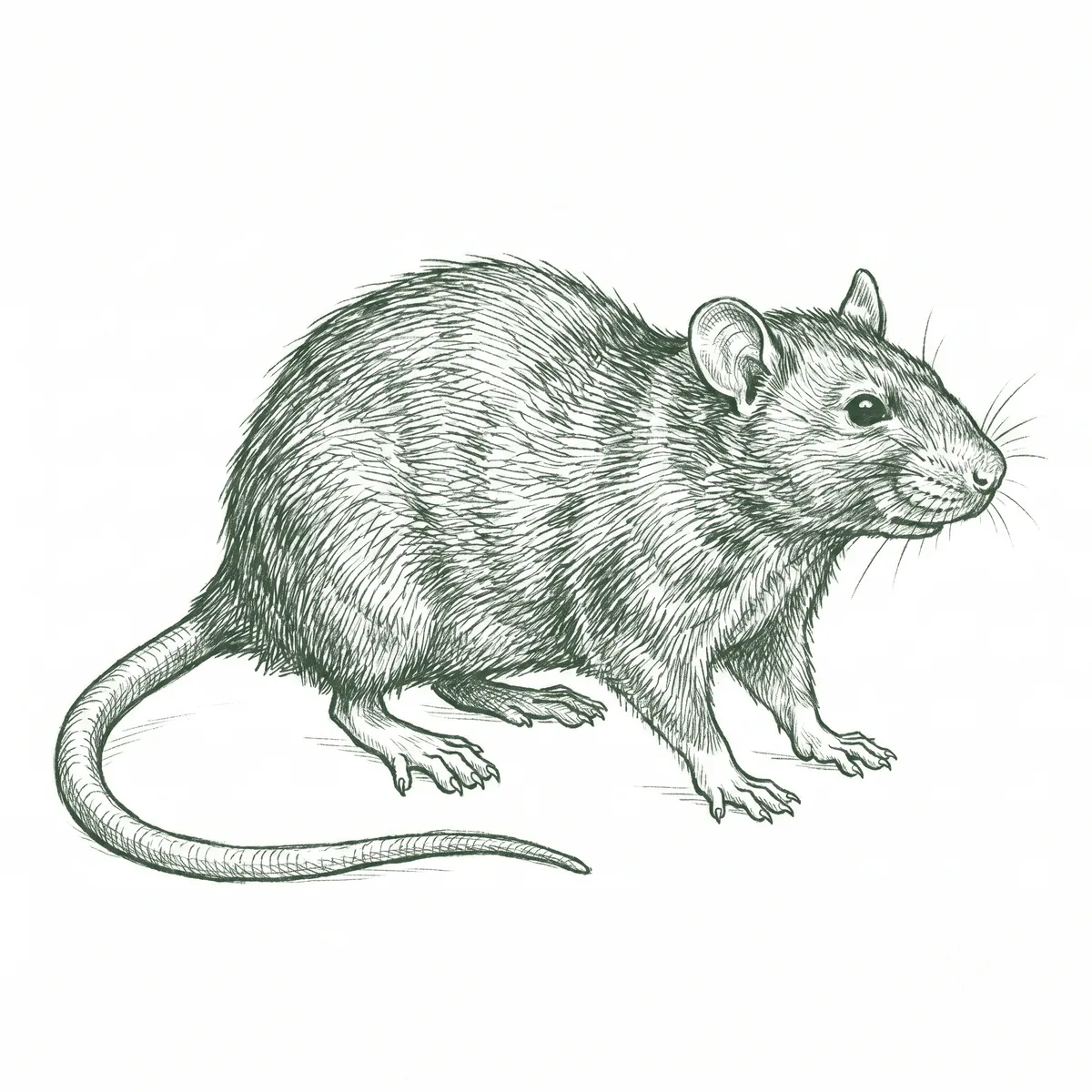
Norway rats are heavy-set rodents that prefer to live in burrows in the soil. They are excellent swimmers and are often found in basements, sewers, and under building foundations.
Key Takeaways
- Norway rats are the largest rats in residential areas — heavy-set, 7 to 10 inches long with shaggy brown-grey fur, small ears, a blunt nose, and a tail shorter than the body — and they nest at ground level rather than up high.
- In Southern California they are drawn to accessible food like pet food, fallen fruit, and unsealed trash, and they favor burrowing in damp soil under porches, foundations, and woodpiles.
- Common warning signs include large droppings, gnaw marks, greasy rub trails along walls, and burrow openings near foundations, slabs, or crawl-space entries.
- Foundation and ground-level exclusion — sealing every gap larger than a dime — matters more than trapping alone, because rats keep returning through open access points.
- Norway rats can contaminate food and surfaces, spread disease-causing organisms through droppings and urine, carry parasites like fleas, and gnaw on wiring, making chewed electrical lines a real fire risk.
- Because they breed quickly and re-invade from neighboring yards, lasting control depends on exclusion and ongoing monitoring, not a single visit.
Identification & Signs
- Large, thick body (7-10 inches long)
- Brown or grey shaggy fur
- Small ears and blunt nose
- Tail is shorter than the body and head
Why are they a problem?
They are drawn to easily accessible food sources like pet food, fallen fruit, and unsealed trash bins. They love nesting in damp soil under porches and foundations.
Prevention and Home Tips
Seal all ground-level holes with steel wool and mesh
Ensure trash bins have tight-sealing lids
Do not leave pet food out overnight
Keep firewood stored off the ground
How Xtermicon Treats for Norway Rat
Norway rats are powerful, ground-dwelling burrowers that require a focused strategy targeting low-level entry points and subterranean nesting sites. Our treatment begins with a comprehensive exclusion of the foundation — we identify and seal every gap larger than a dime using durable, rodent-proof materials like steel mesh and hardware cloth. For active infestations, we use a combination of strategically placed, secured trapping systems that are tailored to Norway rat behavior, focusing on areas where they forage for food and water. This "seal and trap" approach ensures that the current population is removed while preventing new rats from exploiting the same ground-level vulnerabilities in your property.
Frequently Asked Questions
What's the difference between Norway rats and roof rats?
Norway rats are the bulkier of the two — 7 to 10 inches long with shaggy brown-grey fur, small ears, a blunt nose, and a tail shorter than their body — and they stay low, nesting in ground burrows, crawl spaces, and under foundations. Roof rats are leaner with larger ears, a pointed nose, and a tail longer than their body, and they nest high in attics, rafters, and palm trees. Finding burrows near the foundation points to Norway rats.
How do Norway rats get into a house?
Norway rats are ground-dwelling burrowers, so they enter from the bottom up. They squeeze through foundation cracks, gaps around utility and pipe penetrations, crawl-space vents, and openings under porches and slabs — anything larger than a dime. They are also strong swimmers and can travel through sewer and drain lines. Damp soil under porches, woodpiles, and dense ground cover gives them the cover they need to burrow right up against the structure.
Are Norway rats dangerous to have around my home?
Yes. Beyond the nuisance, Norway rats can contaminate food and surfaces, spread disease-causing organisms through their droppings and urine, and carry parasites such as fleas. They gnaw constantly to wear down their teeth, and chewed electrical wiring is a genuine fire hazard, while their burrowing can undermine slabs and walkways. Droppings and nesting materials can also aggravate allergies and asthma. This is not a danger to ignore, but it is manageable with proper exclusion and removal.
Insights about Norway Rat
Specialists you
can count on.
Xtermicon was founded in 2015 with one focus: protect Southern California homes and businesses from the pests that threaten them. The name says it all — eXterminate TERmites & pest CONtrol — and that's exactly what we do. We're a family-owned team specializing in termite control, pest control, and rodent exclusion. From West LA and East LA to the beach cities and Orange County, we're local neighbors who treat your property like our own.