Beetles
Coleoptera
How do you get rid of beetles in a Southern California home?
Start by finding the source, since pest beetles are almost always tied to something they feed on. Inspect pantry goods for tiny holes, webbing, or movement and discard anything infested in a sealed bag, then check closets and natural-fiber rugs and furniture. Move dry goods into airtight containers and vacuum shelves and corners. If beetles keep reappearing, a licensed technician can locate the hidden harborage and treat the surrounding cracks and crevices.
What are Beetles?
From pantry-invading weevils to wood-boring varieties, beetles are incredibly diverse. In the home, we most commonly deal with species that target stored food products or natural fibers in furniture and clothing.
Key Takeaways
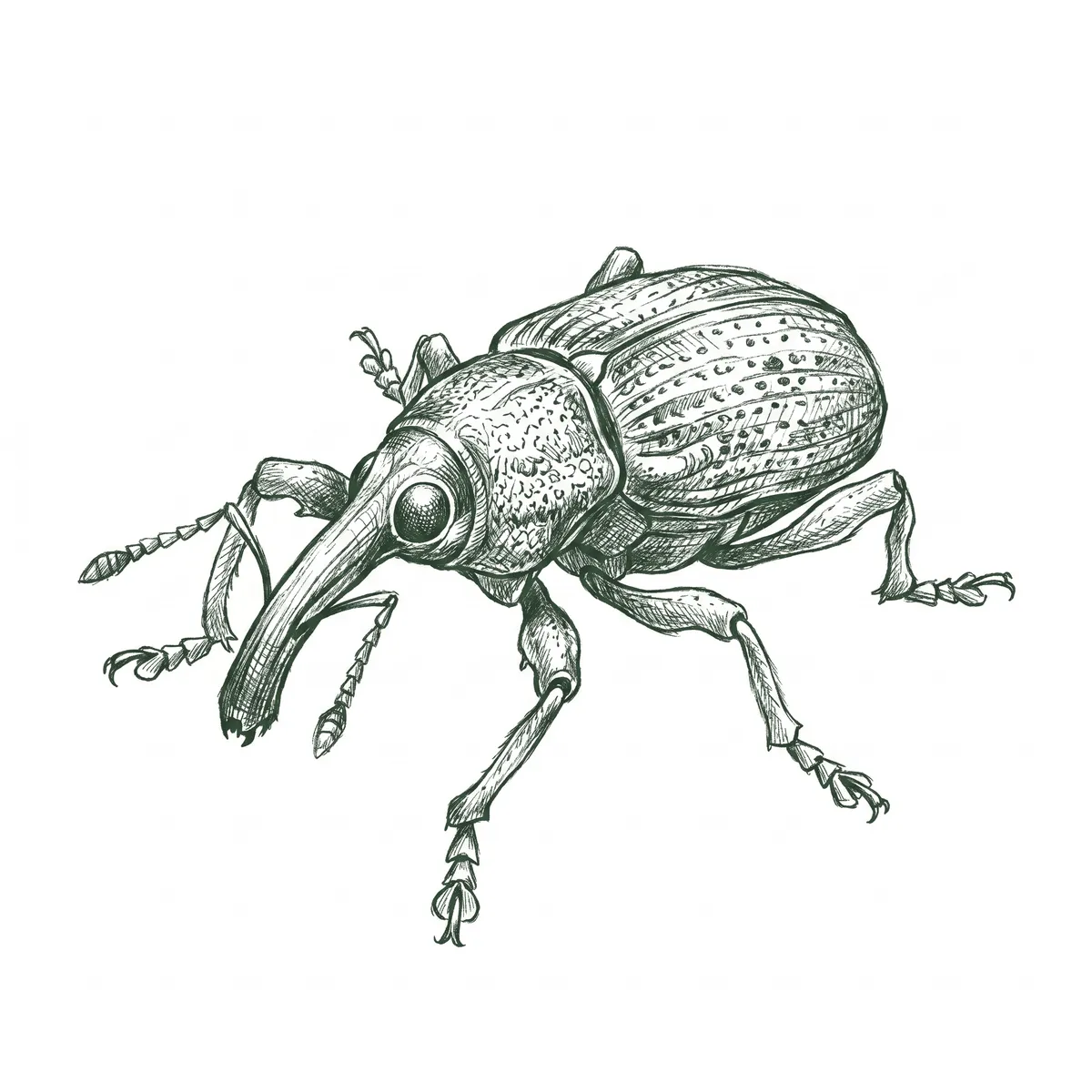
- Beetles (order Coleoptera) are identified by hardened front wings, called elytra, that meet in a straight line down the back, giving them an armored look with chewing mouthparts and six legs.
- In Southern California homes, the beetles we deal with most are stored-product pests targeting pantry goods like grains, flour, cereal, and dried items, plus species that feed on natural fibers in rugs, clothing, and furniture.
- Pantry and fabric beetles are a contamination and damage problem, not a danger to people: they do not bite, sting, or transmit disease to humans.
- Warning signs include small beetles crawling near food or in cupboards, tiny holes or webbing in packaging, fine powder near stored goods, and shed larval skins or chewed spots in wool and silk fibers.
- The core control principle is finding and removing the infested source, then sealing food in airtight containers and keeping storage areas clean, since treatment alone will not hold if the food source remains.
- Because eggs and larvae can hide in cracks and packaging, lasting control often pairs source removal with targeted treatment and ongoing prevention rather than a single cleanup.
Identification & Signs
- Hardened front wings (elytra) that meet in a straight line
- Heavily armored appearance
- Chewing mouthparts
- Six legs and varying sizes
Why are they a problem?
Pest beetles are usually introduced through infested products or looking for food sources like stored grains, dried flowers, or natural materials.
Prevention and Home Tips
Store pantry goods in airtight containers
Inspect dry goods before bringing them home
Regularly vacuum closets and around natural rug fibers
Seal cracks around door frames and windows
How Xtermicon Treats for Beetles
Beetle control requires a precision-targeted approach that identifies the specific food source or harborage they are exploiting. Our treatment program starts with a "Detective-Style" inspection of your pantry, closets, and storage areas to find the origin of the activity. Once the source is identified — whether it's an infested bag of grain or a forgotten decorative item — we help you manage the disposal and apply a targeted, precision treatment to the surrounding cracks and shelves. This ensures that any remaining eggs or larvae are eliminated without posing a risk to your family or food supplies. We focus on long-term prevention through sanitation and storage advice, giving you the tools to keep your home beetle-free.
Frequently Asked Questions
How can I tell if I have a beetle infestation, and where are they coming from?
Look for small, hard-bodied beetles crawling in or near the pantry, around closets, or on natural-fiber rugs and furniture. In stored food you may see tiny holes in packaging, fine webbing, powdery residue, or beetles in flour, cereal, grains, and nuts. Most pest beetles are brought in unknowingly inside already-infested products from the store, while others are drawn to dried flowers, decorative items, or wool and silk fibers they feed on.
Are beetles in my house dangerous to my family or pets?
The pantry and fabric beetles common in Southern California homes are a nuisance, not a health threat. They do not bite people or pets, they do not sting, and they do not transmit disease. The real problem is contamination and damage: they spoil stored food and can chew holes in wool, silk, rugs, and furniture fibers. While unpleasant, finding beetles in your pantry is a sanitation and storage issue to correct, not a medical emergency.
Can I get rid of beetles myself, or do I need a professional?
If you can find and discard the single infested item and move everything else into airtight containers, a thorough cleanout sometimes solves it. Beetles become harder to beat when eggs or larvae are hidden in shelf cracks, packaging seams, or multiple food sources you cannot trace. A licensed technician runs a detailed inspection to pinpoint the origin, then applies targeted treatment to cracks and crevices and advises on storage, with recurring service available if activity keeps returning.
Explore Specific Beetles Species
Specialists you
can count on.
Xtermicon was founded in 2015 with one focus: protect Southern California homes and businesses from the pests that threaten them. The name says it all — eXterminate TERmites & pest CONtrol — and that's exactly what we do. We're a family-owned team specializing in termite control, pest control, and rodent exclusion. From West LA and East LA to the beach cities and Orange County, we're local neighbors who treat your property like our own.