Centipedes & Millipedes
Chilopoda & Diplopoda
How do you get rid of centipedes and millipedes in a Southern California home?
Centipedes and millipedes are moisture-driven invaders, so the fix is drying out their habitat. Repair plumbing leaks under sinks, ease off over-watering near the foundation, keep mulch under two inches, and de-clutter damp garages and storage areas. Seal ground-level gaps where they slip in, especially after heavy rain. For a recurring problem, a licensed technician applies a targeted barrier at entry points and landscaping harborages and corrects the underlying moisture conditions.
What are Centipedes & Millipedes?
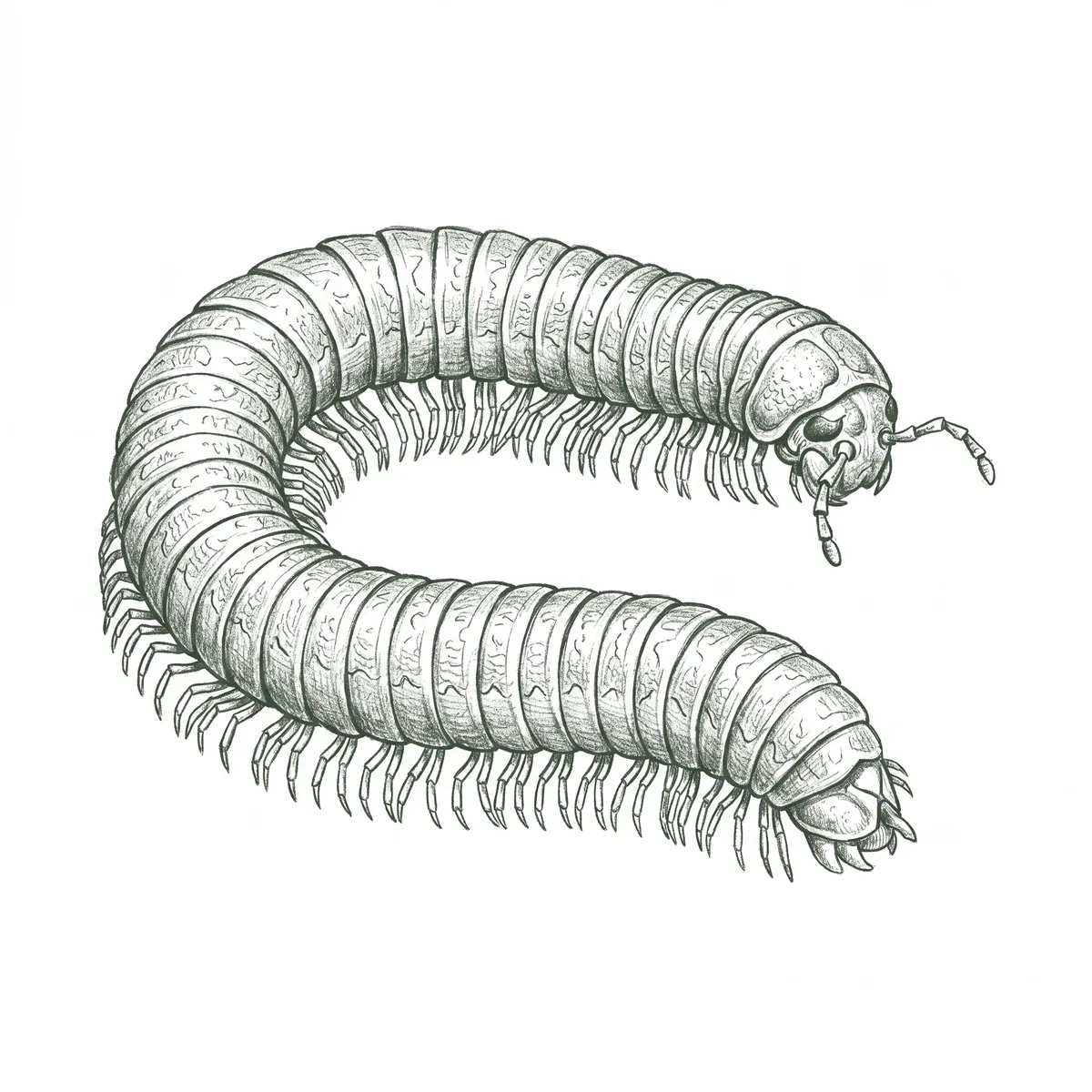
Centipedes are fast-moving predators with one pair of legs per segment, while millipedes are slow-moving scavengers with two pairs of legs per segment. Both are common in damp Southern California soils and often find their way into homes through ground-level entry points.
Key Takeaways
- Centipedes are fast-moving predators with one pair of legs per body segment; millipedes are slower scavengers with two pairs per segment that curl into a spiral when disturbed.
- In Southern California they are classic moisture-seekers, thriving in over-watered landscaping, thick mulch, leaky pipes, and damp garages or bathrooms.
- A sudden indoor surge usually follows heavy rainfall, when wet soil pushes them toward ground-level entry points like door thresholds and foundation gaps.
- Most are harmless and do not damage your home or spread disease; larger centipedes can give a painful but rarely serious bite, and millipedes can release a fluid that irritates skin if handled.
- The core control principle is moisture management plus exclusion, because reducing the humidity they need is far more effective than chasing individual bugs.
- Because they re-enter from the surrounding soil and landscaping, lasting relief comes from ongoing service and habitat correction rather than a single treatment.
Identification & Signs
- Centipedes: Flattened bodies with very long, fast-moving legs
- Millipedes: Cylindrical bodies that curl into a spiral when disturbed
- Numerous legs (ranging from 30 to over 300+)
- Usually found in dark, damp areas like bathrooms or under sinks
Why are they a problem?
These "occasional invaders" are drawn to moisture. Over-watered landscaping, heavy mulch, and leaky pipes provide the high-humidity environment they need to survive. They often enter during or after heavy rainfall.
Prevention and Home Tips
De-clutter garages and storage areas where moisture can hide
Fix any plumbing leaks under sinks or in basements
Avoid over-watering landscaping near the foundation
Ensure mulch layers are not too thick (keep it under 2 inches)
How Xtermicon Treats for Centipedes & Millipedes
Effective control involves managing the moisture levels around the foundation. We apply a targeted barrier to entry points and landscaping harborages, disrupting their ability to move from the soil into your living space.
Frequently Asked Questions
Are centipedes and millipedes dangerous or do they damage the house?
Generally no. They do not chew wood, wiring, or fabric, and they carry no significant disease risk, so they are nuisance invaders rather than structural pests. Millipedes do not bite or sting, though handling one can release a defensive fluid that irritates skin or stains. Larger centipedes can deliver a painful, bee-sting-like bite if grabbed, but for most people it is not medically serious. If you have a reaction or concern, contact a medical professional.
Why do I suddenly have centipedes and millipedes inside after it rains?
They are moisture-dependent and live in damp soil, mulch, and leaf litter. When heavy Southern California rain saturates the ground, that habitat becomes too wet and they migrate toward drier shelter, slipping indoors through ground-level entry points like door thresholds, weep holes, and foundation cracks. The same thing happens around over-watered landscaping and leaky pipes. Reducing moisture near the foundation and sealing low entry points is what stops the influx.
Can I get rid of centipedes and millipedes myself, or do I need a professional?
You can do a lot yourself: fix plumbing leaks, stop over-watering near the foundation, keep mulch under two inches, de-clutter damp storage areas, and seal ground-level gaps. Those steps remove the conditions they need. If they keep returning, especially after rain, a licensed technician can apply a targeted barrier at entry points and landscaping harborages and help correct the moisture sources. Because they re-invade from surrounding soil, recurring service usually gives the most reliable, lasting control.
Specialists you
can count on.
Xtermicon was founded in 2015 with one focus: protect Southern California homes and businesses from the pests that threaten them. The name says it all — eXterminate TERmites & pest CONtrol — and that's exactly what we do. We're a family-owned team specializing in termite control, pest control, and rodent exclusion. From West LA and East LA to the beach cities and Orange County, we're local neighbors who treat your property like our own.